Solano County Court serves as the central legal authority for handling a wide range of cases within the county. It operates as part of the California court Solano, ensuring fair and consistent legal processes. The court manages criminal, civil, family, and probate matters through its structured divisions. These divisions help organize case flow and reduce delays. The Solano county courts system supports both residents and legal professionals by offering clear procedures, public records, and court services that promote transparency and trust in daily operations.
Solano County Court maintains jurisdiction over all trial-level cases across cities like Fairfield, Vallejo, and Vacaville. The superior court Solano County handles disputes, prosecutions, and legal filings under California state law. It provides services such as case filing, hearings, and jury management for the public. The court system focuses on timely decisions and equal treatment under the law. Through its organized structure and accessible services, the court builds confidence and ensures that justice is delivered in a fair and efficient manner.
What is the Structure of Solano County Court
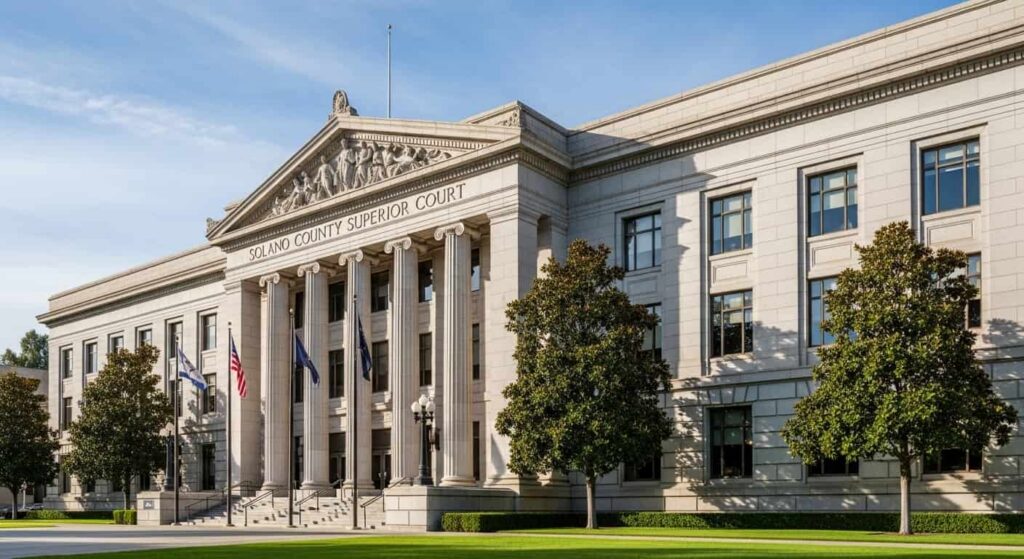
The Solano county courts are an essential part of California’s judicial framework, providing local residents with access to justice across a variety of legal matters. These courts operate under the California court hierarchy, which includes trial courts, appellate courts, and the California Supreme Court. As the main trial court in Solano County, the Superior Court handles criminal, civil, family, probate, and juvenile cases. Its structured divisions ensure efficient case management while maintaining fairness and transparency for all participants in the judicial process.
Trial Courts vs. Appellate Courts
Trial courts, such as the Solano County Superior Court, hear cases first and focus on examining evidence, overseeing hearings, and making rulings. They address criminal charges, civil disputes, family matters, probate cases, and juvenile issues. In contrast, appellate courts review the decisions of trial courts without hearing new evidence. Their role is to ensure laws and procedures were applied correctly. Appellate courts may affirm, reverse, or remand cases, providing a critical oversight function that maintains consistency throughout California’s judicial system.
- Trial courts hear evidence and make initial rulings
- Appellate courts review trial court decisions for legal errors
- Appellate courts cannot introduce new evidence
- Decisions may be affirmed, reversed, or sent back to trial courts
Role of the Superior Court in Solano County
The Solano County Superior Court serves as the main trial court and is divided into criminal, civil, family, probate, and juvenile divisions. Each division focuses on specialized case types, helping manage cases efficiently and fairly. The court provides public access to schedules, records, and resources for both residents and legal professionals. Operating under the California Judicial Council’s rules, the court fits within the broader state system, while the California Courts of Appeal and Supreme Court provide higher-level review of its decisions.
- Central trial court for Solano County
- Divisions: criminal, civil, family, probate, juvenile
- Public access to court schedules and records
- Operates under California Judicial Council rules
- Part of the larger California court hierarchy
How to Search Solano County Court Records
Accessing Solano county court records is essential for residents, attorneys, and researchers who need accurate case information. These records cover criminal, civil, family, probate, and traffic cases maintained by the Solano County Superior Court. Users can search online, visit the courthouse, or request certified copies. The official website ensures secure and up-to-date access: https://solano.courts.ca.gov. Below is a complete step-by-step guide for using the online case search portal, including tips for both beginners and experienced users.
Online Case Search
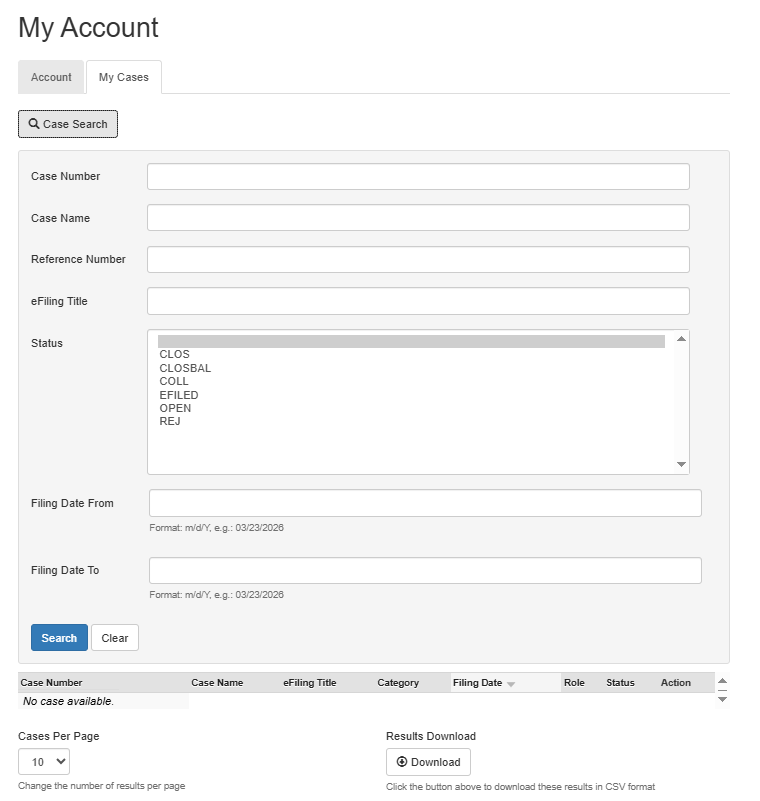
The Solano County Court provides a dedicated online URL for accessing court records. This tool allows users to search for cases quickly and efficiently without visiting the courthouse. It supports case number search, name-based search, and filters for filing date or case status. The system displays all public information available, including case details, hearing dates, and document titles.
Steps to Search:
- Open the Online Portal
- Visit the portal https://portal.solano.courts.ca.gov to access the official case search page.
- Navigate to “My Cases” or “Case Search”
- If you have an account, log in and click the My Cases tab.
- For general public searches, click the Case Search button.
- Then you have to login if you already have an account if not then “register” first and then login
- Enter Search Criteria
- Case Number: Enter the exact case number for the most accurate results.
- Case Name: Enter the party or business name if you don’t have a case number.
- Reference Number: Optional field for specific court references.
- eFiling Title: Optional field if you know the title of the filed document.
- Filter by Status
- Choose from options like CLOS (Closed), CLOSBAL, COLL, EFILED, OPEN, REJ to narrow results to open, closed, or rejected cases.
- Set Filing Date Range
- Enter Filing Date From and Filing Date To to find cases filed within a specific period.
- Format: mm/dd/yyyy (e.g., 03/23/2026)
- Search: Click the Search button. The system will display matching cases in a table showing:
- Case Number
- Case Name
- eFiling Title
- Category
- Filing Date
- Role
- Status
- Review and Download the Results
- Scroll through the results and click on a case for more details.
- Select the number of cases per page and click Download to export results in CSV format. This is helpful for offline review or recordkeeping.
In-Person Record
For records not available online, visit the courthouse where the case was filed. Court clerks can assist with searches using case numbers, party names, or filing dates. Bring valid photo ID and any applicable fees. In-person visits also allow you to clarify record details directly with court staff. It is recommended to check courthouse hours and access policies before your visit. This method is useful for:
- Older cases not digitized
- Sealed or restricted records
- Reviewing original filings
Requesting Certified Copies
Certified copies are official court documents with the court seal and signature. They are required for legal, financial, or official purposes. Processing times may vary depending on the court and request volume. Ensure all provided information is accurate to avoid delays or rejection of the request.
Steps to Request Certified Copies:
- Identify the document needed (e.g., judgment, order, register of actions).
- Complete a records request form at the courthouse or online.
- Provide case number, party names, and document details.
- Pay applicable fees (commonly around $40 per certified copy).
- Receive the document in person or by mail.
Solano County Court Jurisdiction
The Solano County Superior Court has full trial-level authority over legal matters within Solano County. It handles both civil and criminal jurisdiction, making it the primary court where cases begin and are resolved. The court manages a wide range of cases, including family law, probate, small claims, and traffic matters. It ensures that legal disputes are heard fairly under California law and follows established judicial procedures. Judges in this court review evidence, hear arguments, and issue rulings based on applicable statutes and case law. Additionally, the court provides public access to records, hearings, and legal services that support transparency and accountability in the justice system.
Civil and Criminal Jurisdiction
The Solano County Superior Court manages a wide range of case types under its legal authority. Civil jurisdiction covers disputes between parties, such as lawsuits, property issues, and contract disagreements. Criminal jurisdiction involves cases where the state prosecutes individuals for violations of law, including misdemeanors and felonies. The court reviews evidence, conducts hearings, and issues decisions based on California law, ensuring fair outcomes for all parties involved.
Areas under jurisdiction include:
- Civil cases: personal injury, contract disputes, small claims
- Criminal cases: misdemeanors, felonies, traffic violations
- Family law: divorce, custody, child support
- Probate matters: wills, estates, guardianships
- Juvenile cases: matters involving minors
Legal Authority and Case Handling
The Solano county superior court operates under the authority of California state law and follows rules set by the Judicial Council. Judges in this court have the power to hear evidence, interpret laws, and issue legally binding decisions. The court ensures that all cases follow proper procedures, protecting the rights of both plaintiffs and defendants. Each division focuses on specific case types, which helps maintain efficiency and consistent rulings across the county.
Core functions of legal authority:
- Interpret and apply California laws
- Conduct trials and hearings
- Issue judgments and court orders
- Protect legal rights of all parties
- Maintain accurate court records
Types of Cases Handled in Solano County Courts
Solano county court cases include a wide range of legal matters, from criminal charges to family disputes and probate issues. These court case categories are organized into divisions that help the court manage cases efficiently and deliver fair outcomes. The Solano county courts handles multiple legal case types to meet the needs of residents and businesses. Each category follows specific rules and procedures under California law. This structure allows the court to process cases quickly, assign them to the right division, and provide clear outcomes. Knowing these categories helps users understand where their case fits and what to expect during the legal process.
Criminal Cases
Criminal Solano County Court Cases involve violations of state laws where the government prosecutes an individual. These cases range from minor traffic offenses to serious felonies. The court reviews evidence, hears arguments, and issues judgments based on legal standards. Criminal cases often include arraignments, hearings, and trials, where defendants have the right to legal representation and a fair process.
Examples include:
- Misdemeanors such as petty theft or minor assault
- Felonies such as robbery or serious offenses
- Traffic violations and DUI cases
- Probation hearings and sentencing
Civil Cases
Civil cases involve disputes between individuals, businesses, or organizations. These legal case types do not include criminal charges but focus on resolving disagreements through compensation or court orders. The court evaluates evidence and determines responsibility based on California civil law. These cases often involve financial compensation or specific performance ordered by the court. Civil proceedings may include multiple hearings, filings, and settlement opportunities before trial. The goal is to provide a fair resolution without criminal penalties.
Civil disputes include:
- Contract disagreements
- Property and landlord-tenant issues
- Personal injury claims
- Business disputes and financial claims
Family Law Cases
Family law cases focus on legal matters within families. The court works to resolve sensitive issues while protecting the rights of all parties, especially children. These court case categories often require detailed hearings and legal documentation. Judges may consider emotional, financial, and living conditions when making decisions. Mediation and counseling are often encouraged to reach agreements outside of court. These cases require careful review to ensure fair and stable outcomes for families.
Family law Cases include:
- Divorce and legal separation
- Child custody and visitation
- Child and spousal support
- Domestic violence restraining orders
Small Claims
Small claims cases are designed for simple disputes involving smaller amounts of money. This process is faster and less formal than other court proceedings. Individuals can often represent themselves without an attorney, making it more accessible for everyday legal issues. The court aims to resolve disputes quickly with minimal legal complexity. Hearings are usually brief, and decisions are often made on the same day. Filing fees are lower compared to other case types, making it cost-effective for individuals.
Small claims cases include:
- Unpaid debts or loans
- Property damage claims
- Consumer disputes
- Minor contract issues
Probate Division
Probate cases involve managing a person’s estate after death or handling guardianship matters. The court supervises the distribution of assets and ensures legal requirements are followed. These legal case types help protect beneficiaries and resolve estate-related matters fairly. The court also verifies the validity of wills and appoints legal representatives when needed. Probate proceedings may take time depending on the complexity of the estate. Proper documentation is required to ensure all assets are accounted for and distributed correctly.
Probate Cases include:
- Wills and estate distribution
- Trust administration
- Guardianships and conservatorships
- Estate disputes
Filing a Case in Solano County Court
To file case Solano county court, a person must follow the official court filing process set by the Solano County Court. This process includes preparing legal forms, paying filing fees, and submitting documents to the correct division. Each case type has its own rules, so choosing the right forms and providing accurate information is important. After filing, the court assigns a case number and schedules further action if required. Proper filing helps avoid delays and keeps the case moving forward under California law.
Required Documents
Before starting the court filing process, the person filing the case must prepare all required documents. These documents depend on the type of case, such as civil, family, or probate. The court requires completed legal forms, supporting records, and payment of filing fees or a fee waiver request. All information must be clear and correct so the clerk can accept the filing without rejection. Having the correct paperwork ready helps the court review the case faster and prevents unnecessary delays during processing.
- Completed court forms for the correct case type
- Valid identification if required
- Supporting evidence such as contracts, photos, or records
- Proof of service when another party must be notified
- Filing fee payment or approved fee waiver form
Filing Steps
The file case Solano county court procedure follows a step-by-step system used for most legal case types. The person filing must select the correct forms, submit them to the clerk, and pay the required filing fees. Filing may be done in person at the courthouse or through an approved electronic filing system when available. After submission, the clerk reviews the documents, stamps them, and assigns a case number. This number is used to track hearings, records, and future actions in the case.
- Choose the correct case category and forms
- Fill out all legal forms with accurate details
- Attach required supporting documents
- Pay filing fees or submit fee waiver request
- File documents with the court clerk or online system
- Receive stamped copies and assigned case number
- Follow court instructions for the next hearing or notice
Solano County Court Fees and Payments
Solano county court fees apply when filing a case, requesting records, or paying fines ordered by the Solano county superior court. The court follows a fixed fee schedule set under California rules, and the amount depends on the case type, document request, or service used. Payments must be made using approved methods, and some users may request a fee waiver if they cannot afford the cost. Checking the correct fee before filing helps avoid rejection of documents and keeps the court process on schedule.
Fee Schedule and Charges
The amount of Solano county court fees depends on the category of the case and the type of service requested. Civil filings usually cost more than small claims, and certified copies have separate charges. Criminal cases may include fines ordered by the judge. The court updates the fee schedule when state rules change, so checking the current amount before filing is recommended. Paying the correct fee at the time of submission helps the clerk process the case without delay.
| Case / Service Type | Estimated Fee (USD) | Typical Processing Time |
|---|---|---|
| Civil case filing (limited) | $225 – $370 | Same day to 3 days |
| Civil case filing (unlimited) | $435 – $450 | Same day to 3 days |
| Small claims filing | $30 – $75 | Same day |
| Family law filing (divorce / custody) | $435 | 1–3 days |
| Probate case filing | $435 – $650 | 3–5 days |
| Motion / additional filing | $60 – $120 | Same day |
| Certified copy request | $40 per document + copy cost | Same day to 2 days |
| Criminal fine payment | Varies by case | Immediate after payment |
| Traffic fine payment | Varies by violation | Immediate after payment |
Payment Methods Accepted
The court allows several payment methods for filing fees, fines, and copy requests. Payments may be made at the clerk’s office, through the online system, or by mail depending on the case type. Using the correct method helps confirm the payment quickly and keeps the case active. Some online transactions may include a small service charge depending on the payment system used by the court.
- Cash at the courthouse clerk window
- Credit or debit card
- Money order or cashier’s check
- Online payment for fines and fees
- Mail payment for approved case types
Fee Waivers and Reduced Costs
People who cannot afford Solano county court fees and costs may apply for a fee waiver. The court reviews financial information before approving the request. If approved, the person may not need to pay filing fees or may pay a reduced amount. Submitting the waiver form with the case filing helps prevent delays and allows the court to open the case without waiting for payment.
- Fee waiver form must be completed
- Income details may be required
- Court reviews eligibility
- Approved waiver removes or lowers fees
Solano County Court Locations and Facilities
Solano county court locations include several courthouse buildings operated by the Solano county superior court, each handling different types of cases. These public access courts provide services for civil, criminal, family, probate, juvenile, and traffic matters. The court system uses multiple buildings in Fairfield and Vallejo so residents can file cases, attend hearings, and request records at the correct facility. Knowing the right courthouse before visiting helps avoid delays and ensures documents are filed in the proper division.
Fairfield Courthouse
The Fairfield branch is the main court complex in Solano County and includes several court buildings located near each other. Many major hearings, filings, and administrative offices are handled at this location. The Hall of Justice, Law and Justice Center, and Old Solano Courthouse are all part of the Fairfield court area. Public counters, jury services, and records offices are available during business hours.
- Hall of Justice – criminal, family, probate, traffic
- Law and Justice Center – civil and administrative offices
- Old Solano Courthouse – additional courtrooms
- Clerk office and payment counters
- Jury services and public records
Address:
600 Union Ave, Fairfield, CA 94533
530 Union Ave, Fairfield, CA 94533
580 Texas St, Fairfield, CA 94533
Phone: (707) 207-7373
Hours: Monday–Friday, 8:00 AM – 5:00 PM
Vallejo Courthouse
The Vallejo branch serves the southern part of the county and handles many criminal, traffic, and limited civil cases. This Solano county court location allows residents to attend hearings closer to home without traveling to Fairfield. The building includes public counters, courtrooms, and payment services for fines and filings. Parking is available near the courthouse, and the building is accessible for people with disabilities.
- Criminal and misdemeanor hearings
- Traffic court
- Limited civil filings
- Fine and fee payments
- Public record requests
Address:
321 Tuolumne St, Vallejo, CA 94590
Phone: (707) 561-7800
Hours: Monday–Friday, 8:00 AM – 5:00 PM
Frequently Asked Questions
Solano county court FAQs provide clear answers to common questions about court records, filings, payments, and hearings. Many people need quick help with basic court tasks, and these answers explain the process in simple language. The Solano county superior court handles many types of cases, so knowing how the system works can save time and prevent mistakes. The questions below cover the most common court help questions and legal process questions asked by residents and visitors using Solano County court services.
How do I search court records?
You can search Solano county court records using the official online case search system provided by the court. This tool allows users to find public case information by entering a case number or the name of a person involved in the case. The search results usually show case status, hearing dates, and basic details. Some documents may not be available online and must be requested at the courthouse. If the record is older or restricted, the clerk’s office can help you review the file in person during business hours.
Where is Solano County courthouse located?
The Solano county courthouse has several locations, with the main court buildings in Fairfield and Vallejo. Each courthouse handles different case types, so you should confirm the correct address before visiting. Fairfield is the primary location for civil, family, and many criminal cases, while Vallejo handles traffic and some criminal matters. Court buildings are open during regular business hours and require security screening at entry. Addresses, phone numbers, and directions are listed on the official court website to help visitors find the correct courthouse.
What cases does the court handle?
The Solano county superior court handles many types of legal matters under California law. These include criminal cases, civil disputes, family law issues, probate matters, small claims, and traffic violations. Each case type is assigned to a specific division so hearings can be scheduled correctly. Criminal cases involve violations of law, while civil cases involve disputes between people or businesses. Family law covers divorce and custody, and probate handles estates and guardianships. Knowing the case category helps you file the correct forms and go to the right courthouse.
How do I file a case?
To file a case in Solano county court, you must complete the required legal forms and submit them to the clerk’s office or approved electronic filing system. The forms depend on the type of case you are starting, such as civil, family, or small claims. After completing the forms, you must pay the filing fee or submit a fee waiver request if you qualify. The clerk reviews the documents, stamps them, and assigns a case number. This number is used to track hearings, filings, and future actions in the case.
Can I pay court fees online?
Yes, many Solano county court fees can be paid online through the court’s payment system. Online payment is commonly used for traffic tickets, criminal fines, and some filing fees. To pay online, you usually need the case number or citation number. After entering the information, you can pay using a credit or debit card. Some payments may include a small service fee depending on the method used. If online payment is not available, you can pay at the courthouse, by mail, or at the clerk’s payment window.